
Living and working abroad can open many doors. It can improve financial stability, career growth, and future opportunities. But for many people, the hardest part of moving overseas is not the job or the new country. It is living away from family.
Many individuals working abroad often say the same thing after a few months. The opportunity is good, but the distance from their spouse and children becomes emotionally difficult. This is exactly why many countries offer a legal pathway called the family reunification visa process. It allows people who are already living and working abroad to bring their immediate family members to live with them legally.
Understanding how the family reunification visa process works can help families reunite faster and avoid common mistakes that cause delays.
What Is a Family Reunification Visa?

A family reunification visa allows foreign workers or legal residents living abroad to bring close family members such as their spouse and dependent children to live with them in the same country.
Most countries in Europe and the Gulf provide this option because governments understand that stable family life helps migrants build a stronger and more productive future. Instead of remaining separated for years, workers can legally reunite with their families through the proper family immigration process.
Usually, this visa applies to:
- Spouses or legally married partners
- Dependent children below a certain age
- In some cases, dependent parents
Each country has its own family reunion visa requirements, but the goal remains the same: allowing families to stay together legally.
You can also read our guide on Europe work permits and migration pathways, which explains how employment abroad often leads to family reunification options.
Understanding the Family Reunification Visa Process
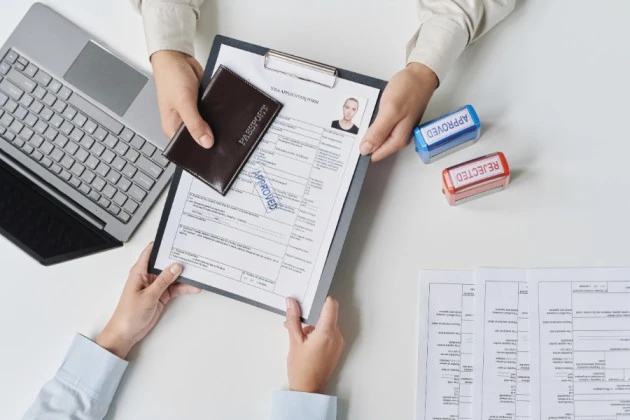
The family reunification visa process usually starts once a person has already secured a valid work permit or residence permit in another country.
Although the rules vary slightly by country, the general steps are similar.
Step 1: Confirm Eligibility
Before applying, the main applicant must meet certain conditions such as having legal residency, stable employment, and sufficient income to support family members.
Step 2: Prepare Required Documents
Applicants must gather documentation proving their relationship, financial stability, and accommodation arrangements.
Step 3: Submit the Family Visa Application
Family members apply for a dependent visa for spouse and children through the embassy or visa application centre in their home country.
Step 4: Verification and Approval
Authorities review documents to ensure the relationship is genuine and the sponsor can financially support their family.
Step 5: Travel and Residence Registration
Once approved, family members travel abroad and complete local registration procedures.
Official immigration guidance on family migration policies can also be found through the
European Commission’s family migration guidelines:
https://home-affairs.ec.europa.eu/policies/migration-and-asylum/legal-migration-and-integration/family-reunification_en
Who Is Eligible to Apply?

Eligibility for the family reunification visa process depends on several factors. Countries usually want to ensure that the sponsor can support their family financially and provide a stable living environment.
Generally, applicants qualify if they:
- Hold a valid work permit or residence permit abroad
- Have stable employment or income
- Can provide suitable accommodation
- Have legally registered marriages
- Have dependent children within the permitted age range
Some countries may also require minimum income thresholds or proof that the sponsor has been living in the country for a certain period before applying for a spouse visa process.
Documents Required for Family Reunification Visa
Documentation plays a crucial role in the family reunification visa process. Missing or incorrect paperwork is one of the most common reasons for delays.
Typical documents include:
- Valid passports for family members
- Marriage certificate for spouse visa applications
- Birth certificates of children
- Residence permit of the sponsor
- Employment contract or income proof
- Accommodation proof in the destination country
- Medical insurance where required
- Police clearance certificates
Many countries require these documents to be verified through official procedures such as Apostille or document attestation before submission.
You can review the official Apostille procedure through the
Ministry of External Affairs documentation page:
https://mea.gov.in/apostille.htm
How Long Does the Family Reunification Visa Process Take?

The timeline for the family reunification visa process varies depending on the country and the completeness of the application.
On average, the process may take:
- 1 to 3 months in some European countries
- Longer if document verification or embassy checks are required
Embassy appointments and submissions are usually handled through official visa centres such as
https://visa.vfsglobal.com/
Delays often occur when documents are incomplete, incorrectly attested, or when authorities require additional verification.
Common Mistakes That Delay Family Reunification Visas
Many families face unnecessary delays simply because of avoidable mistakes during the application stage.
Some common issues include:
- Incomplete documentation
- Incorrectly attested marriage or birth certificates
- Not meeting minimum income requirements
- Submitting outdated or expired documents
- Misunderstanding country-specific family reunion visa requirements
Preparing documents carefully from the beginning can significantly improve the chances of approval.
How Immigration Point Supports Family Reunification Applications
Reuniting families is one of the most meaningful parts of immigration services. At Immigration Point, the focus is not just on visas but on helping families stay together legally and confidently.
Immigration Point is a Government of India licensed overseas recruitment and visa documentation firm based in Jalandhar. The team supports applicants through every step of the documentation process.
Services include:
- Clear case assessment before starting applications
- Documentation guidance for family visas
- Apostille, attestation, and legalisation support
- VFS and embassy appointment coordination
- Step-by-step explanation of the family reunification visa process
Instead of making unrealistic promises, the approach focuses on compliance and proper preparation so applicants understand exactly what to expect.
Final Thoughts
Working abroad can create incredible opportunities, but family separation can be emotionally difficult. For many people, success abroad only feels complete when their spouse and children can join them.
The family reunification visa process provides a legal path for families to rebuild their lives together in a new country. With the right documentation, clear eligibility, and proper guidance, bringing your loved ones abroad is absolutely possible.
Taking time to understand the process and prepare documents carefully can make the journey smoother and help families reunite without unnecessary delays.